Introduction: Technology You Can Wear
Wearable technology has evolved from simple step counters and heart rate monitors into sophisticated computing platforms that sit at the intersection of health, communication, and personal computing. In 2026, the wearable technology market is more diverse and capable than ever before, with devices ranging from advanced smartwatches and fitness trackers to smart glasses, hearables, and even smart clothing. These devices are increasingly integral to how people monitor their health, stay connected, and interact with the digital world. Understanding the trends shaping wearable technology can help consumers make more informed choices about the devices they adopt.
Smartwatches: From Accessory to Medical Device
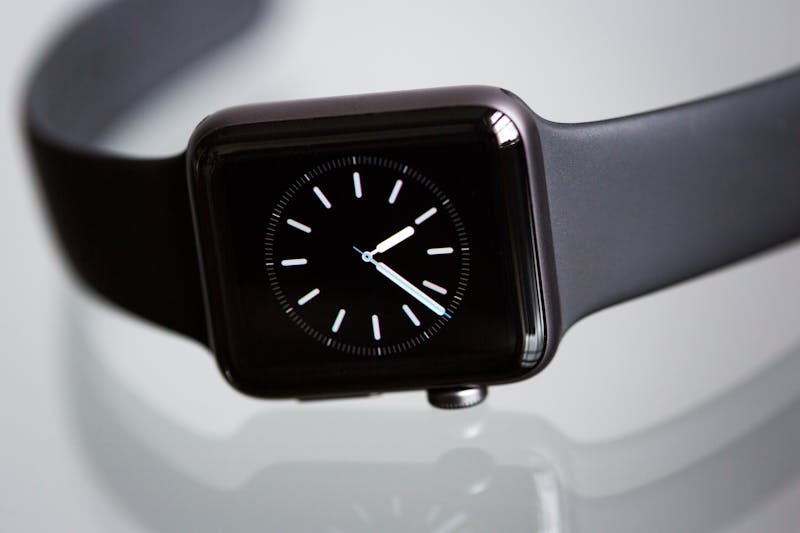
The smartwatch has undergone a remarkable transformation in its relatively short history. What began as a wrist-mounted notification display has evolved into a sophisticated health monitoring platform capable of detecting a growing range of medical conditions. In 2026, leading smartwatches can detect atrial fibrillation, measure blood oxygen levels, track sleep stages, monitor skin temperature, and even detect falls and automatically summon emergency services. Some models are now FDA-cleared for specific medical uses, crossing the boundary from consumer electronics into regulated medical devices. The combination of health monitoring, communication, navigation, and app functionality has made the smartwatch the most versatile and widely adopted wearable device category.
Fitness Trackers: Dedicated Health Companions
While many smartwatch users also use their devices for fitness tracking, dedicated fitness trackers remain popular for users who prioritize long battery life, simpler interfaces, and more affordable price points. Modern fitness trackers go far beyond step counting — they track workouts across dozens of exercise types, provide detailed recovery metrics, monitor stress levels through heart rate variability analysis, and offer personalized coaching based on individual health data. The ability to track menstrual cycles, fertility windows, and hormonal patterns has made fitness trackers particularly valuable for women’s health monitoring. The combination of sensor data with AI-powered analysis is making these devices increasingly valuable as personal health advisors.
Smart Glasses and Hearables
Two categories of wearables beyond the wrist are gaining significant traction: smart glasses and hearables. Smart glasses have struggled for years to achieve mainstream acceptance, but advances in display technology, battery life, and form factor design are making them increasingly practical. The latest smart glasses blend the functionality of AR displays with the aesthetics of ordinary eyewear, enabling navigation cues, notification display, hands-free video calling, and contextual information without the bulk of earlier headsets. Hearables — smart earbuds and hearing aids that incorporate computing capabilities — represent one of the fastest-growing wearable categories. They offer not just audio playback but real-time translation, health monitoring, noise cancellation, and voice assistant integration.
Smart Clothing and Biometric Textiles
An emerging frontier in wearable technology is smart clothing — garments that incorporate sensors and connectivity to monitor biometric data or respond to environmental conditions. Compression garments with embedded strain sensors can analyze muscle activation patterns during exercise to optimize training and reduce injury risk. Smart insoles monitor gait and foot pressure to help athletes improve their running form and detect early signs of injury. Temperature-regulating fabrics can adjust their thermal properties in response to body temperature and environmental conditions. While smart clothing is still a relatively niche market, the potential for continuous, unobtrusive health monitoring through everyday garments is enormous.
Health Monitoring and Preventive Care
One of the most significant trends in wearable technology is the shift from passive data recording to active health management. Wearables are increasingly able to detect early warning signs of health issues before they become serious problems. Continuous glucose monitoring devices, originally designed for diabetes management, are being adopted by health-conscious consumers without diabetes for metabolic insights. Stress and mental health monitoring through physiological signals is enabling wearables to recommend breathing exercises, mindfulness sessions, or rest when they detect elevated stress levels. The integration of wearable data with electronic health records is creating new opportunities for personalized, data-driven preventive care.
Battery Life and Charging Innovation
Battery life remains a critical challenge and area of innovation for wearable technology. Users who rely on their smartwatch for overnight sleep tracking and all-day health monitoring demand devices that can go days between charges. Advances in low-power processors, more efficient sensors, and improved battery chemistry are extending battery life. Energy harvesting technologies — including kinetic energy from movement, solar cells integrated into watch faces, and thermoelectric generators that harvest body heat — are being developed to supplement or replace conventional charging in future devices. Wireless charging has become standard across most premium wearables, making the charging process more convenient.
Connectivity and Ecosystem Integration
The value of wearable technology is greatly enhanced by its integration into broader digital ecosystems. The tight integration of smartwatches with smartphones from the same manufacturer — and increasingly with third-party apps and services — creates a seamless experience that extends the utility of the wearable far beyond what it could provide independently. Health data from wearables is increasingly integrated with fitness apps, nutrition trackers, sleep platforms, and healthcare providers, providing a more complete picture of individual health and wellness. The expansion of cellular connectivity in smartwatches is enabling them to operate independently of a paired smartphone, increasing their utility during exercise and in situations where carrying a phone is inconvenient.
Privacy and Data Security in Wearables
Wearable devices collect some of the most personal data imaginable — including heart rhythms, sleep patterns, activity levels, location data, and in some cases biometric identifiers. The privacy and security implications of this data collection are significant. Who owns this data? How is it stored, shared, and potentially used by insurance companies, employers, or marketers? These questions are increasingly important to consumers and are prompting regulatory scrutiny in many jurisdictions. Leading wearable manufacturers are responding with stronger privacy commitments, on-device data processing that reduces the need to transmit sensitive data to the cloud, and clearer user controls over how health data is shared.
Conclusion: Wearables Are Becoming Essential
Wearable technology in 2026 has moved far beyond novelty to become an essential part of many people’s health and digital lives. The data these devices collect, and the insights they derive from it, are enabling more proactive, personalized approaches to health and wellness that were previously impossible. As sensor technology continues to advance, battery life improves, and AI-powered health analytics become more sophisticated, wearables will play an increasingly important role in helping people live healthier, more connected lives. The future of wearable technology is not just about counting steps — it is about providing a continuous, intelligent window into our health and the world around us.
